The oven is warming, music is playing in the living room, and guests are finding places to charge their phones. During the holidays, familiar electrical routines often overlap more than usual. It is a natural time to consider how your home supports those activities and what protects the equipment your family relies on.
Whole-home surge protection before winter addresses one specific concern: brief voltage spikes that can affect connected electronics and appliances. Additional holiday demand raises a separate question about circuit capacity. Understanding the difference helps homeowners make informed decisions about both.
At Ashley River Wired, we connect electrical recommendations with the way people actually use their homes. A practical plan starts with the existing system, the protection already in place, and any concerns that deserve a closer look.
Protection starts with the equipment you rely on
A television or computer is easy to recognize as electronic equipment. The controls inside a refrigerator, washing machine, or heating and cooling system are less visible, but they also deserve consideration when discussing surge protection.
That broadens the conversation beyond the devices plugged in behind a desk. A surge protector serving the entertainment center protects equipment connected through it. Hardwired appliances and equipment elsewhere in the house call for a broader approach.
The familiar power strip has a limited role
A basic power strip adds outlets. It does not automatically provide surge protection, and its appearance alone does not establish whether it has protective components.
A point-of-use surge protector is designed to help protect equipment plugged into it. Its ratings, condition, and manufacturer’s instructions determine its appropriate use.
Understanding what is already installed provides a useful starting point. It also explains why protection at individual outlets and protection at the electrical panel serve different roles.
Holiday electrical demand and voltage spikes are different issues
Holiday electrical demand concerns how much power equipment draws from the circuits serving it. A surge is a brief increase in voltage. These conditions require different responses.
For example, a circuit serving several appliances may need a load evaluation. Adding a surge protector does not increase that circuit’s capacity or resolve the reason a breaker repeatedly trips.
A tripped breaker does not identify a surge problem
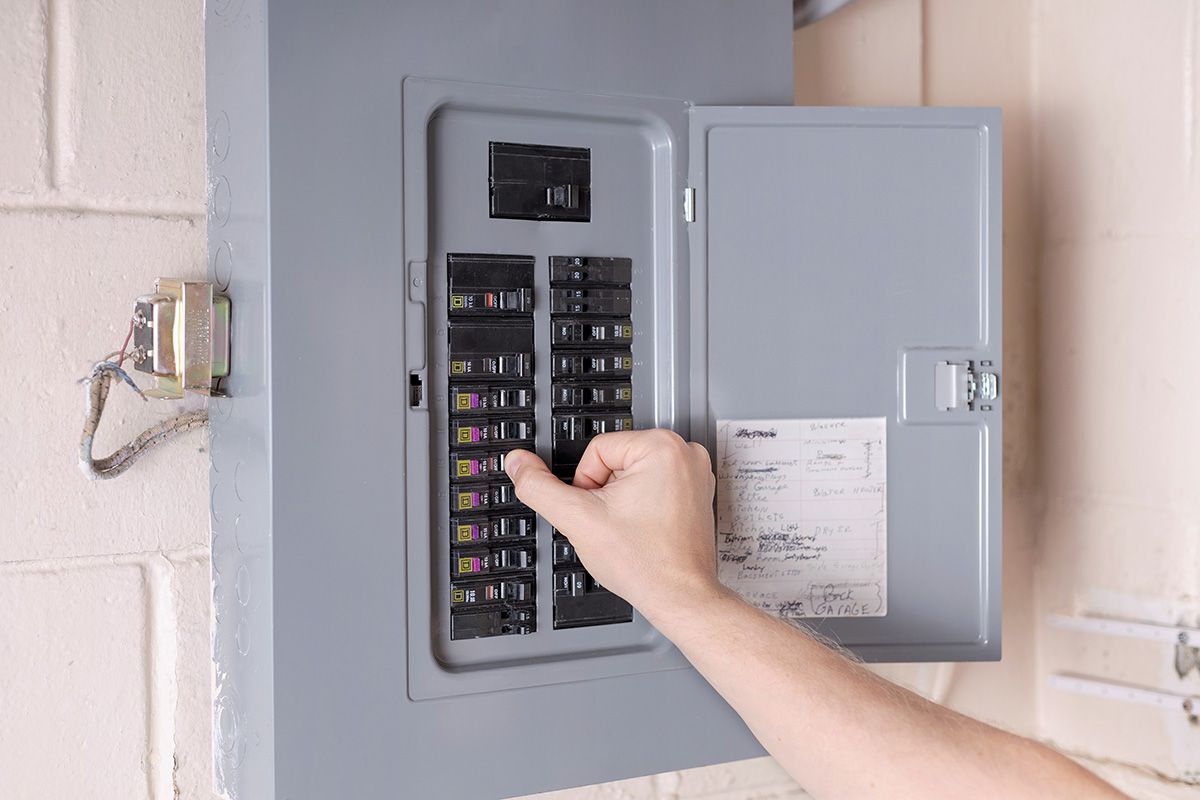
A breaker can trip for several reasons, so the cause needs to be identified before a solution is selected. Recurring dimming, unreliable outlets, and other changes in electrical performance also warrant diagnosis.
Ashley River Wired’s electrical repair and troubleshooting services address those concerns separately from surge protection.
A household may benefit from surge protection, a focused repair, a capacity review, or a combination of work. Identifying the actual need helps keep the recommendation relevant and avoids treating one improvement as a solution to every electrical concern.
Winter storm planning needs clear expectations
Winter weather gives many homeowners a reason to revisit electrical preparedness. Surge protection can be part of that discussion, but voltage disturbances are not limited to storms.
Utility switching and equipment cycling within the home can also produce surges. A seasonal review therefore has value beyond the forecast: it provides an opportunity to understand the protection in place during everyday use.
Surge protection and backup power work together
Surge protection and backup power support your home in complementary ways. A surge protective device helps limit brief voltage spikes within its rated capabilities, while backup power addresses interruptions in the electricity supply. Direct lightning strikes require separate protection considerations. Understanding these roles helps shape a plan around the equipment and daily routines your household depends on.
Whole-home and point-of-use devices can work together
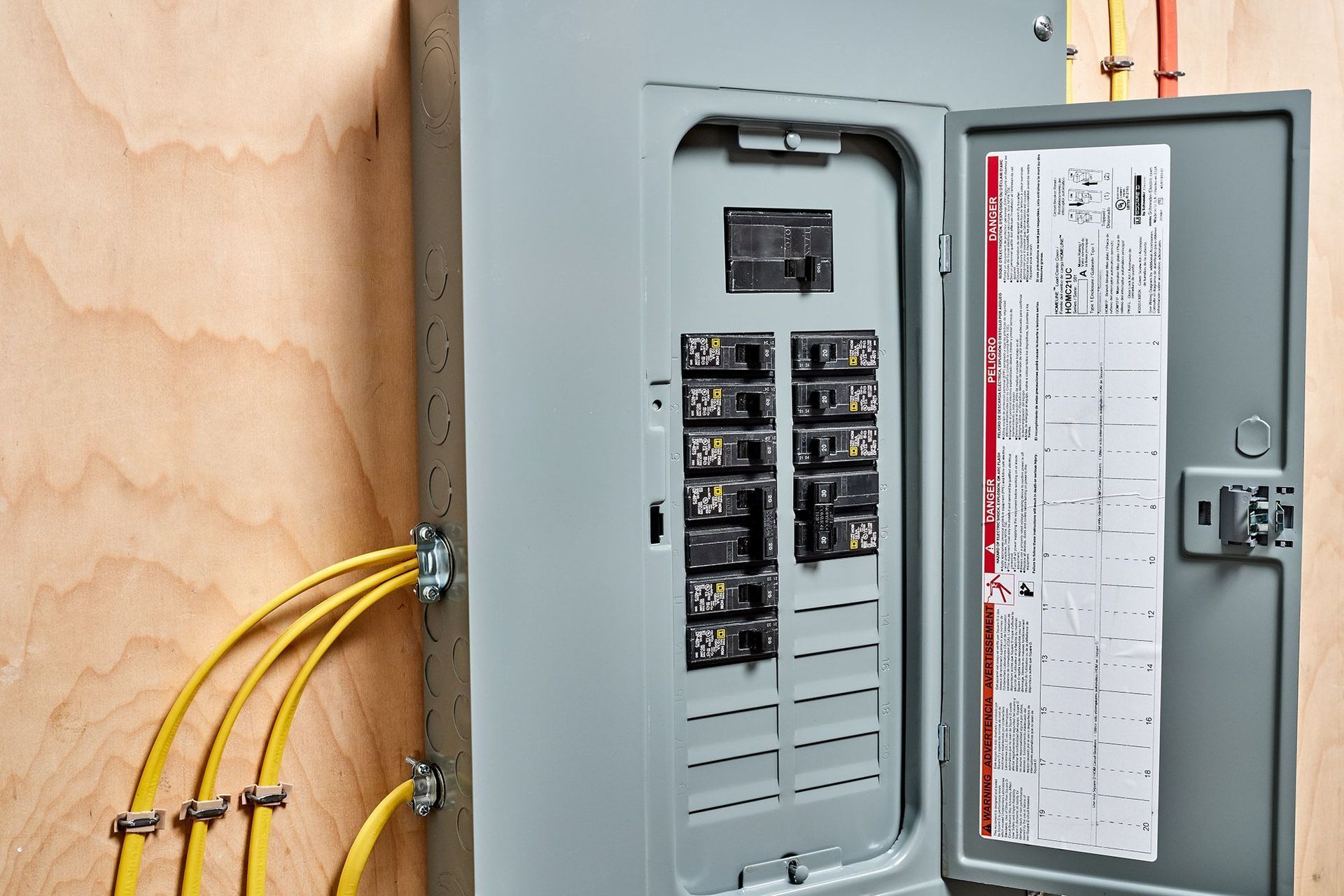
A whole-home surge protective device is installed at the electrical service or panel, depending on its design and intended application. It helps limit brief voltage spikes affecting the home’s electrical system.
Point-of-use protection can add another layer for suitable plug-connected electronics. The two approaches can complement one another when the devices are selected and installed for their intended uses.
Different connections need appropriate protection
A coordinated protection plan considers the connections serving your electronics. Panel-level surge protection addresses the electrical supply, while coaxial cables and other communications connections may benefit from protection designed for those pathways. Considering them together helps identify the appropriate protection for the way each device is connected.
Do you know what your current surge protection actually covers?
A review can clarify whether your home has panel-level protection, what the existing devices’ indicators mean, and which concerns require separate electrical work. Request an estimate from Ashley River Wired to discuss the protection already in place and the options appropriate for your home.
An existing protector deserves a second look
A home may already have a surge protective device without the current owner knowing its model, installation date, or operating status. Establishing those details can be more useful than assuming a replacement is immediately necessary.
Surge protective components can reach the end of their useful life. The device’s condition and manufacturer’s guidance help determine whether it remains serviceable or needs attention.
Indicator lights need model-specific interpretation
Many devices use lights or other indicators to communicate operating status. Their meanings vary, so a green light, an unlit indicator, or an audible alert needs to be interpreted using the correct product instructions.
Receiving power and retaining surge protection are also different conditions. Some point-of-use products can continue supplying electricity to connected equipment after their protective function has been lost.
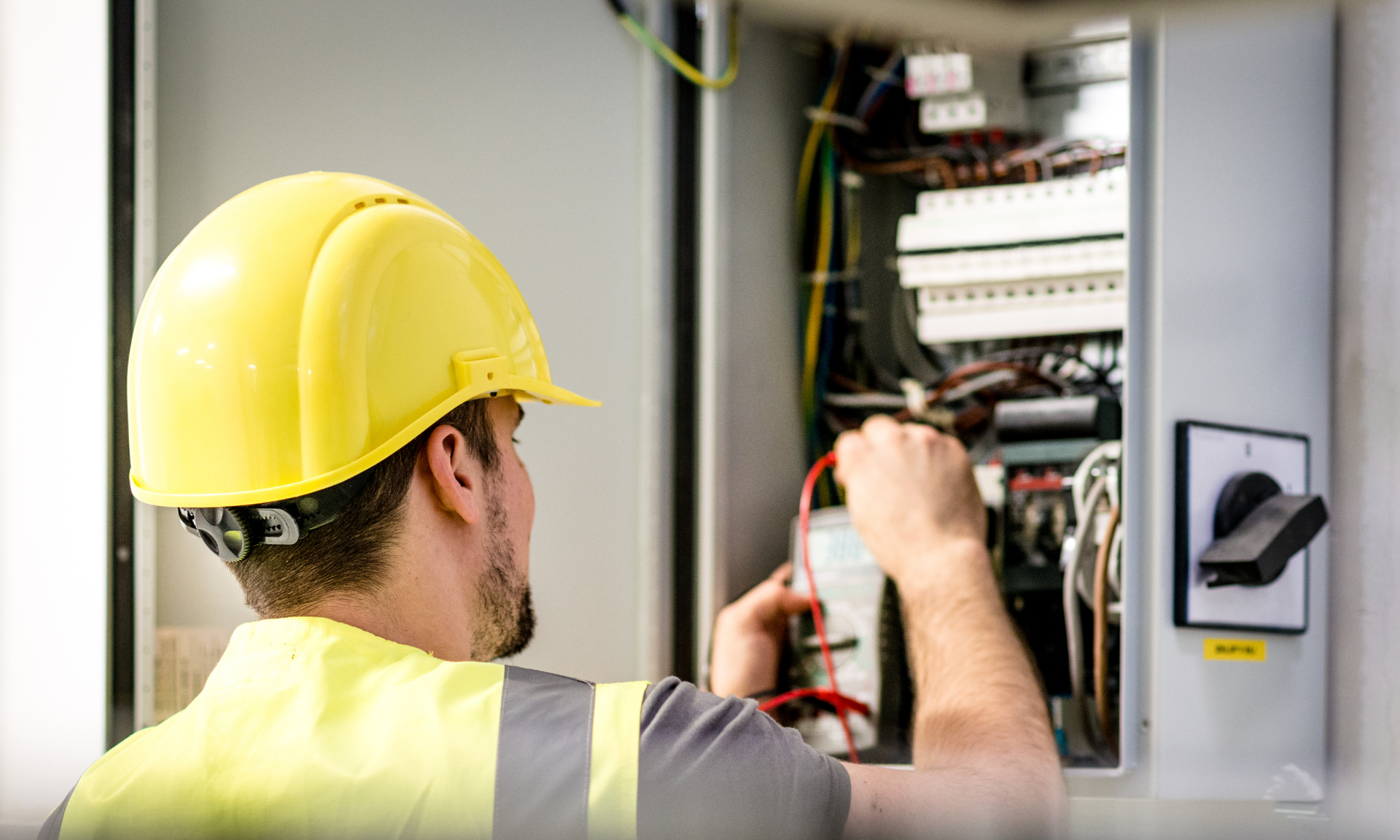
A professional review can clarify what the installed device is reporting. Any assessment that requires removing a panel cover or accessing electrical connections belongs to qualified electrical personnel.
Installation quality supports device performance
The product matters, but so does the way it connects to the electrical system. Device compatibility, placement, connection routing, and the condition of grounding and bonding all affect the installation.
These details explain why selecting a protector based on a single advertised rating is an incomplete approach. The device needs to suit the electrical service and be installed according to its manufacturer’s instructions and applicable requirements.
Panel conditions shape the recommendation
Sound electrical connections, proper grounding and bonding, and suitable wiring support an effective surge protection installation.
When an assessment identifies a connection or wiring concern, addressing it alongside the proposed protection helps establish a dependable foundation for the system.
Each recommendation then has a clear purpose: supporting the electrical installation and helping protect connected equipment from voltage spikes.
A useful estimate separates protection from other electrical work
A clear estimate identifies the proposed surge protective device, its installation location, and the work required to connect it. Any recommended repairs or panel changes need a separate explanation.
That distinction makes the proposal easier to understand. Homeowners can see which work addresses voltage spikes and which work addresses an existing electrical condition or additional demand.
A surge protection project does not automatically require a new panel
The need for a panel upgrade depends on the existing equipment and the proposed work. It should follow an evaluation rather than an assumption that surge protection always requires panel replacement.
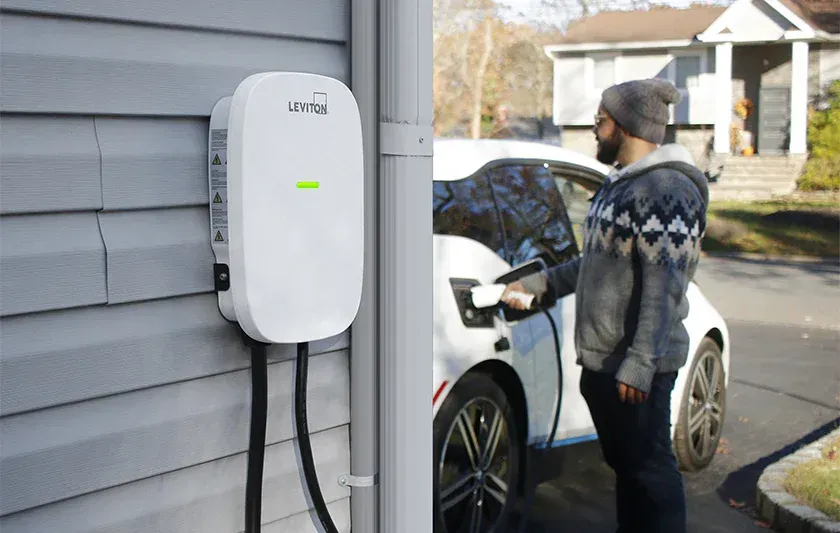
Likewise, future appliances, an EV charger, or remodeling plans may justify a capacity discussion. Those plans do not change the purpose of the surge protective device.
Keeping these decisions distinct allows each recommendation to be evaluated on its own merits, with a clear explanation of why it is appropriate.
The final conversation makes protection easier to maintain
After installation, homeowners benefit from knowing what was installed and how the device communicates its status. The model information, manufacturer’s instructions, and any applicable warranty terms provide a useful reference for future questions.
Maintenance and replacement expectations should reflect the selected product. A universal replacement schedule would overlook differences between devices and the electrical events they experience. Protection should never be presented as permanent.
Everyday use should come with understandable guidance
A useful explanation covers which indicators are visible during normal use, what a change may mean, and when professional assistance is appropriate. Any anticipated power interruption during installation should also be discussed beforehand so the household can plan around it.
The goal is an electrical recommendation that continues to make sense after the appointment ends.
For a busy home preparing for winter gatherings, that understanding matters. Whole-home surge protection, appropriate point-of-use devices, and properly evaluated circuits each serve a purpose.
Knowing those purposes helps your family make informed decisions without treating every seasonal change as a reason for major electrical work.
Ready to discuss surge protection that fits your home and your plans?
Schedule a conversation with Ashley River Wired
about your existing protection, connected equipment, and any electrical concerns noticed during everyday use. An assessment of your home’s electrical system can establish the appropriate next steps before winter gatherings get underway.
Related surge protection and home electrical
resources: