An EV charger and a new electric range may be purchased months apart, but both affect the same electrical system. Evaluating each addition separately can leave important questions unanswered about the capacity available for the household’s combined needs.
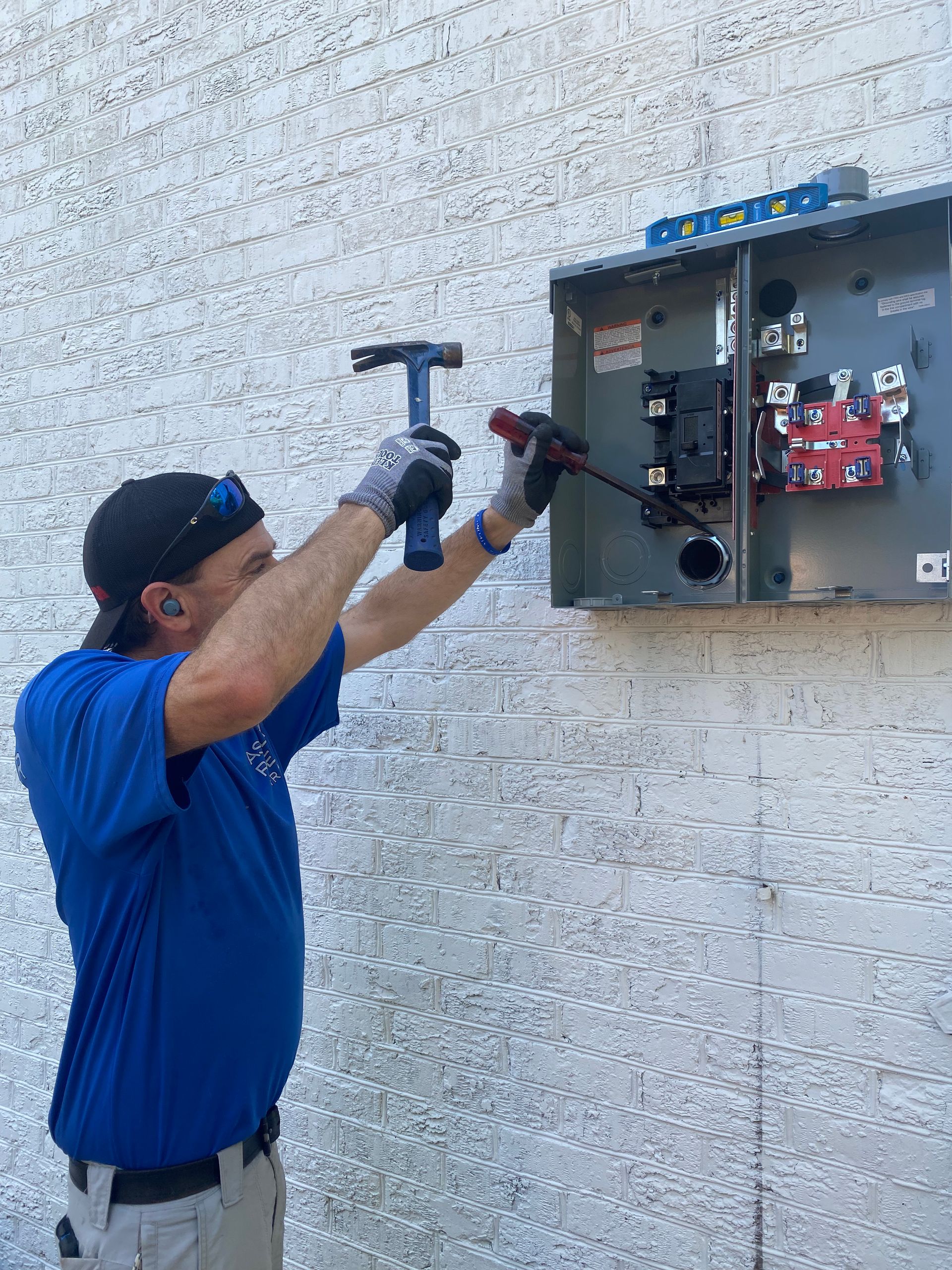
Panel capacity planning in Summerville, SC works best when upcoming purchases are considered together. The relevant question is whether the existing service, panel, and circuits can support the proposed equipment—not simply whether another breaker will fit.
At Ashley River Wired, we review existing electrical conditions and planned improvements before recommending panel work. That approach gives homeowners a clearer basis for deciding whether the next step involves a dedicated circuit, panel changes, or a broader service upgrade.
Upcoming purchases belong in one electrical assessment
A home charging project may coincide with a kitchen renovation, an electric water heater replacement, or changes to heating and cooling equipment. Each purchase has its own electrical requirements, but the assessment needs to consider their combined effect.
A load calculation evaluates existing and proposed electrical demand using the applicable requirements. It provides a more reliable foundation than estimating capacity from the number of appliances or the appearance of the panel.
Confirmed plans are more useful than general possibilities
The selected equipment matters. Two appliances serving the same purpose can have different electrical requirements, and charging equipment can operate at different power levels.
A confirmed appliance model, proposed charger, and anticipated installation sequence make the assessment more specific. Longer-term possibilities can also be discussed, while remaining distinct from equipment the household has already decided to install.
That distinction helps prevent both insufficient planning and unnecessary work based on purchases that may never happen.
Breaker space, panel capacity, and service capacity are different
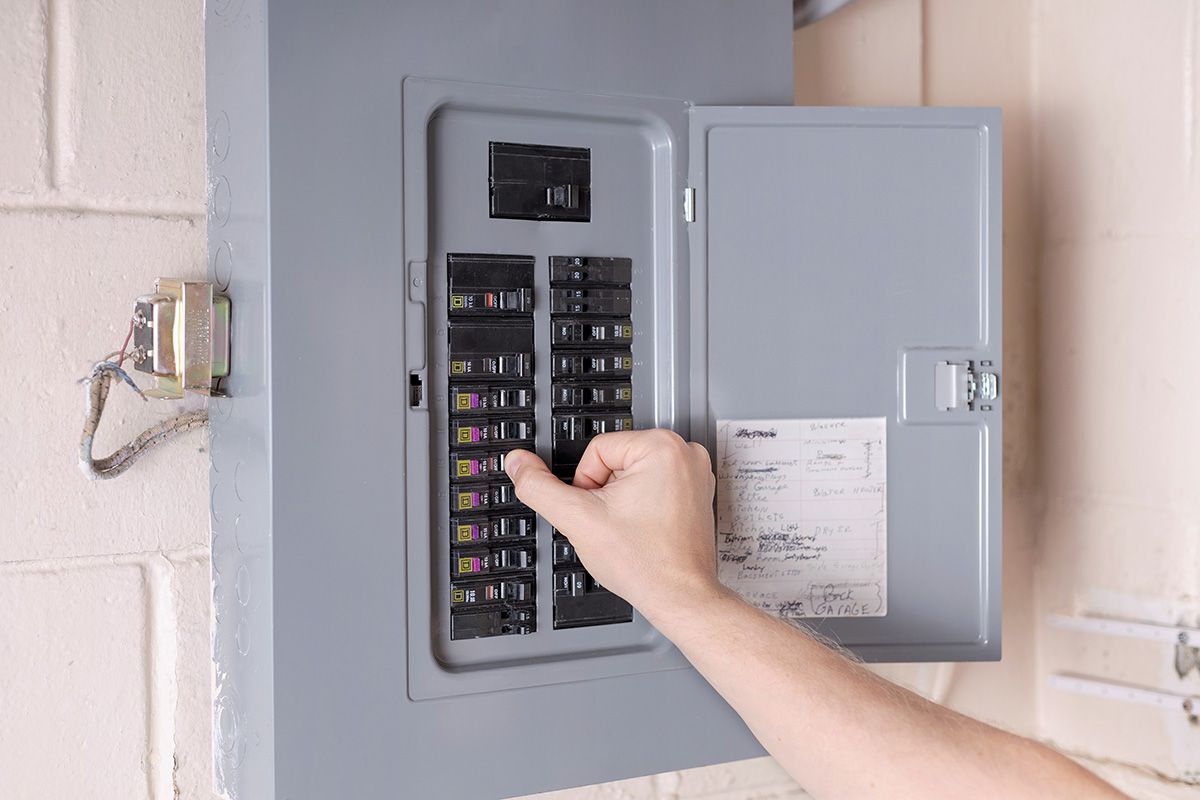
An open position in the panel establishes that physical space may be available. It does not establish that the electrical system can support an additional load.
The panel distributes power to individual circuits. The electrical service supplies the home, and its capacity depends on the service equipment and associated components. Both need consideration when substantial loads are added.
A larger panel does not automatically increase the available supply
Replacing a panel with one that has more breaker positions may address a space limitation. Increasing the home’s electrical service capacity can require additional changes beyond the panel itself.
Similarly, a subpanel can provide more circuit locations, but it does not independently increase the capacity of the service feeding it.
Ashley River Wired’s electrical panel upgrade services in Summerville address existing equipment, circuit arrangements, and future needs. The recommendation should identify which limitation the proposed work is intended to resolve.
EV charging requirements should reflect daily driving
Home charging needs depend on more than the highest output advertised for a charger. Daily driving distance, the time available for charging, and the vehicle’s charging capabilities all influence the appropriate plan.
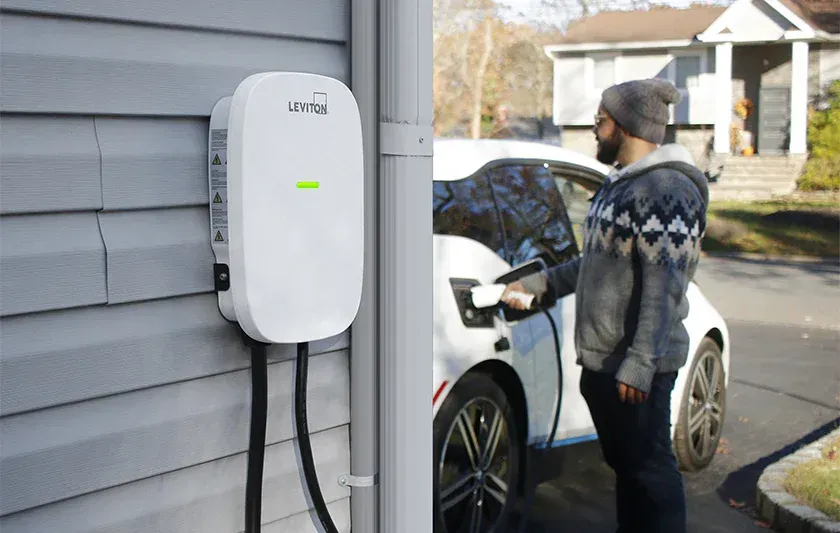
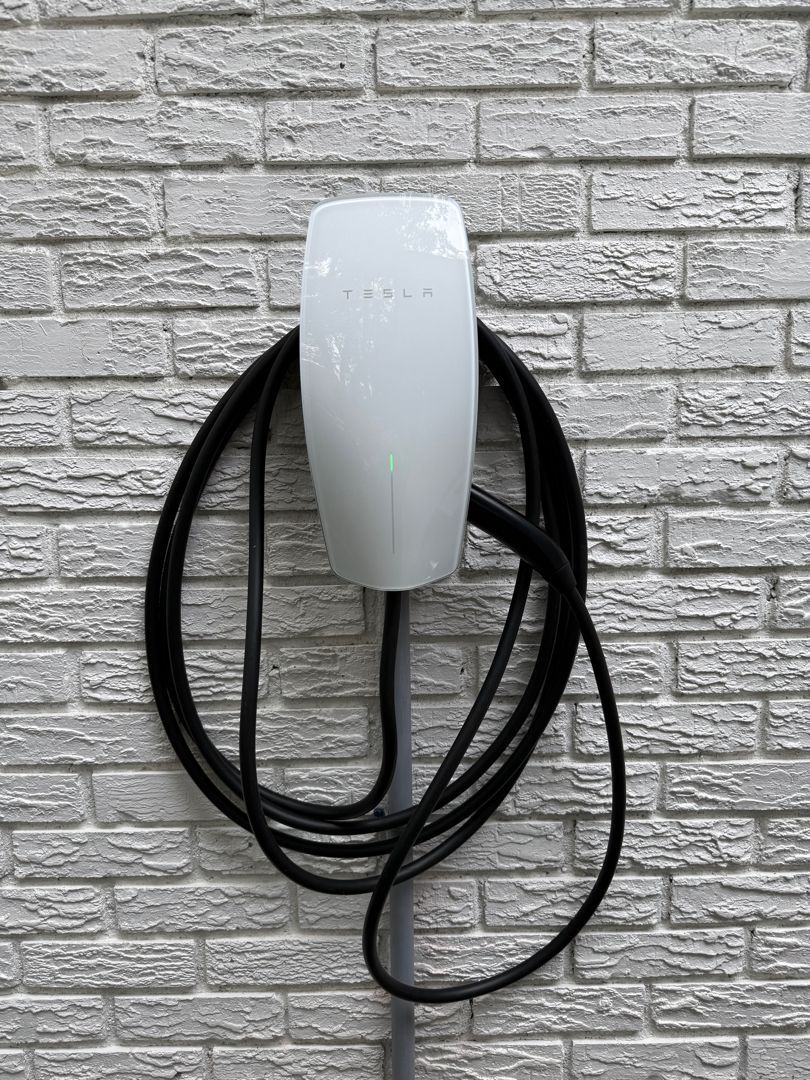
Level 2 charging equipment operates at 240 volts and can place a sustained demand on the electrical system. Its requirements need professional evaluation alongside the home’s other loads.
Maximum charging output is not every household’s goal
A vehicle parked overnight may have different charging needs from one that returns home briefly between trips. The installation should support the household’s expected use without assuming that the highest available charging rate is necessary.
The vehicle and charging equipment also need to be considered together. A charger’s maximum output does not mean every vehicle can use that output.
These details help connect the electrical recommendation with the practical result: dependable charging within the time normally available at home.
Appliance specifications matter more than physical size
A larger appliance is not automatically a larger electrical load. The manufacturer’s electrical specifications establish the requirements that matter for circuit and capacity planning.
Electric cooking equipment, clothes dryers, water heaters, and heating and cooling systems can have substantially different demands. Replacing an appliance with a similar-looking model does not establish that the existing circuit remains suitable.
A fuel change can alter the electrical scope
Replacing gas equipment with an electric model may create electrical requirements that were not part of the previous installation. The assessment needs to account for the selected appliance and the circuit serving its intended location.
For Summerville homes improved in stages, the existing arrangement may reflect several earlier projects. A previous kitchen update or garage improvement does not establish that capacity was reserved for today’s purchases.
Reviewing the actual equipment and existing system helps keep the current project grounded in documented requirements.
Planning an EV charger alongside other major purchases?
Explore Ashley River Wired’s home EV charger installation services and discuss the appliances being considered at the same time. Evaluating those plans together can clarify the electrical work before equipment installation dates are set.
Some homes have options beyond a service upgrade
An assessment may show that the existing system can support the proposed additions with suitable circuit work. In other cases, panel or service changes may be appropriate.
Compatible charging controls or approved load-management equipment may also be relevant. These approaches require an evaluation of the particular equipment, installation requirements, and applicable approvals.
A charging schedule is different from automatic load management
A timer that delays charging until evening changes when charging begins. It does not necessarily monitor the home’s total demand or limit charging when other equipment operates.
An approved load-management arrangement may perform a different function by controlling demand within defined limits. Its suitability must be established for the specific installation.
These are design considerations, not automatic substitutes for an upgrade. The recommendation should explain which approach is appropriate and what it allows the household to operate.
Available capacity does not replace circuit planning
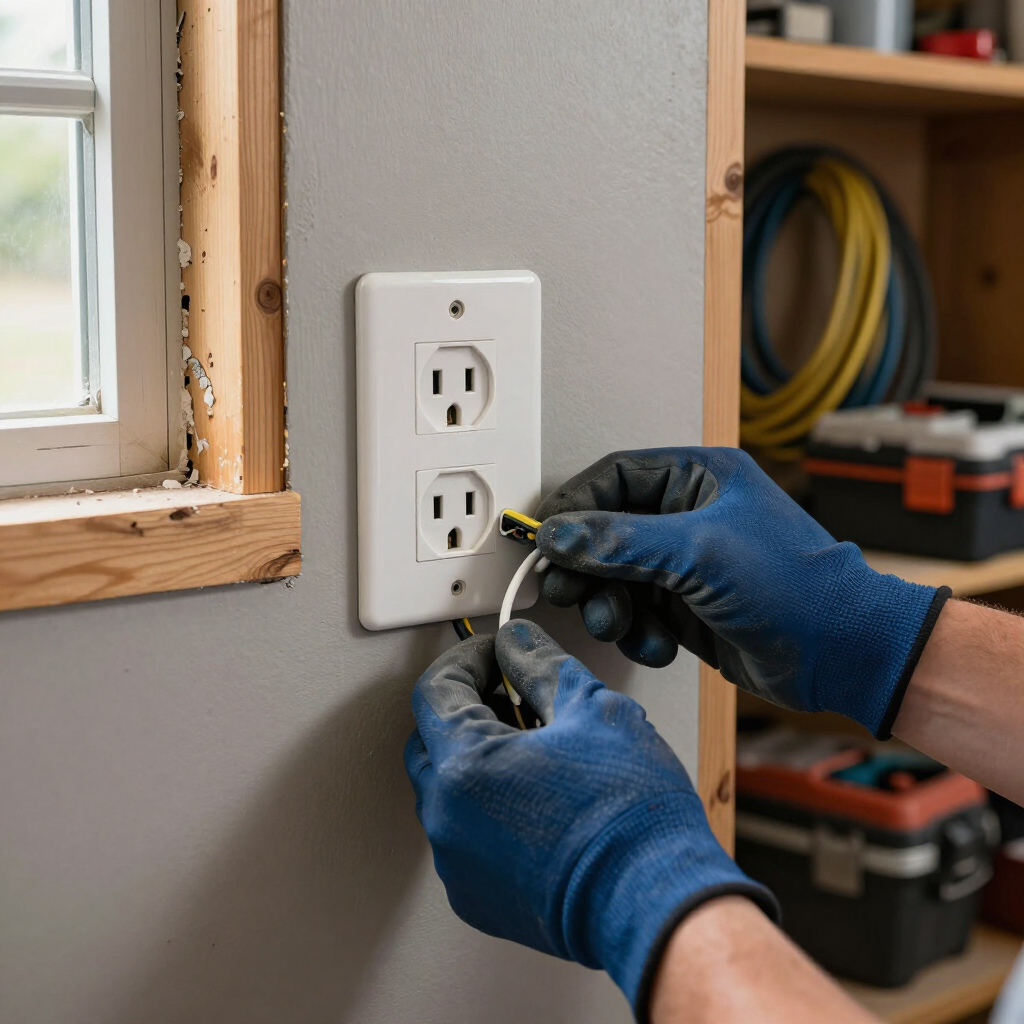
Once capacity has been evaluated, the new equipment still needs an appropriate electrical connection. A panel upgrade alone does not complete the circuit to a garage charger, kitchen appliance, or utility area.
The circuit requirements depend on the equipment and installation conditions. The wiring route also affects access, labor, and coordination with other home improvements.
Equipment locations can change the work required
A charger near the panel may involve a different route from one installed across a finished garage or at a detached building. Likewise, relocating an appliance can change the circuit work even when the replacement has similar electrical requirements.
Wall finishes, cabinets, attic access, and existing pathways can influence the installation. Any expected openings and restoration responsibilities need to be defined separately.
This keeps the capacity decision connected to the work required at each equipment location.
Summerville approvals and utility steps affect the schedule
If your property is within Summerville, SC, town limits, the town’s Building Department handles electrical permits and inspections. Before we finalize the project details, we’ll check which office covers your address and what permits or inspections you’ll need.
The approval process is particularly relevant when the work extends beyond adding a circuit and involves changes to service equipment.
Service changes may require additional coordination
A project affecting the electrical service may require coordination with the serving utility as well as the permitting authority. Inspection and reconnection requirements can influence the sequence.
That makes the expected power interruption an important planning detail. Its timing depends on the approved work, site conditions, and any required outside coordination.
A realistic schedule separates the electrician’s installation work from steps controlled by an inspector or utility. Completion dates should reflect those dependencies rather than assume that every panel project follows the same timeline.
A phased plan should separate current work from future preparation
An EV purchase may be confirmed while an appliance conversion remains a possibility for a later year. Those plans can be evaluated together without treating every potential addition as work that must happen now.
A useful proposal distinguishes the electrical work needed for the present installation from optional preparation for a later phase. It should also identify which future equipment assumptions informed the capacity assessment.
Preparation needs a defined purpose
Reserving circuit space or planning a future wiring pathway may be useful when the intended equipment and location are reasonably clear. Neither measure guarantees that an unspecified future appliance will be supported without further evaluation.
Clear documentation gives the household a reference for the next project. It explains what was installed, what capacity was evaluated, and which decisions remain open.
For a Summerville homeowner adding charging and major appliances, the value of coordinated planning is clarity. Each recommendation should have a specific purpose, and the electrical system should be evaluated against the equipment it is actually expected to serve.
What electrical work will your next purchases require?
Request a free estimate from Ashley River Wired to review your Summerville home’s panel, planned charger, and major appliance additions. A professional assessment can establish whether the project calls for new circuits, panel changes, or a broader service upgrade.
Related panel capacity, EV charging and appliance planning resources: