


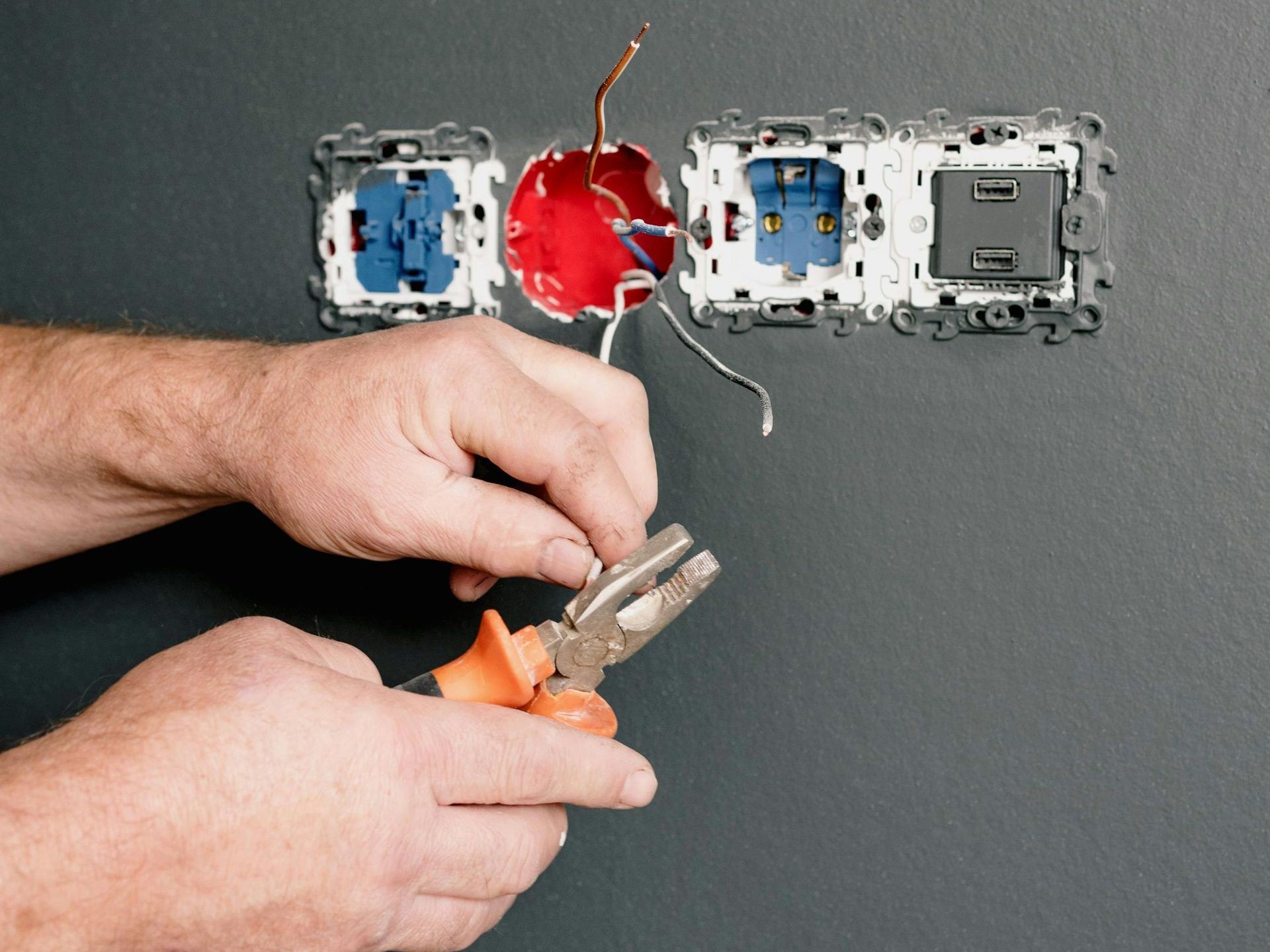


Planning lighting installation in North Charleston, SC? Use this checklist to evaluate layout, wiring, panel capacity, fixture support and the project estimate.
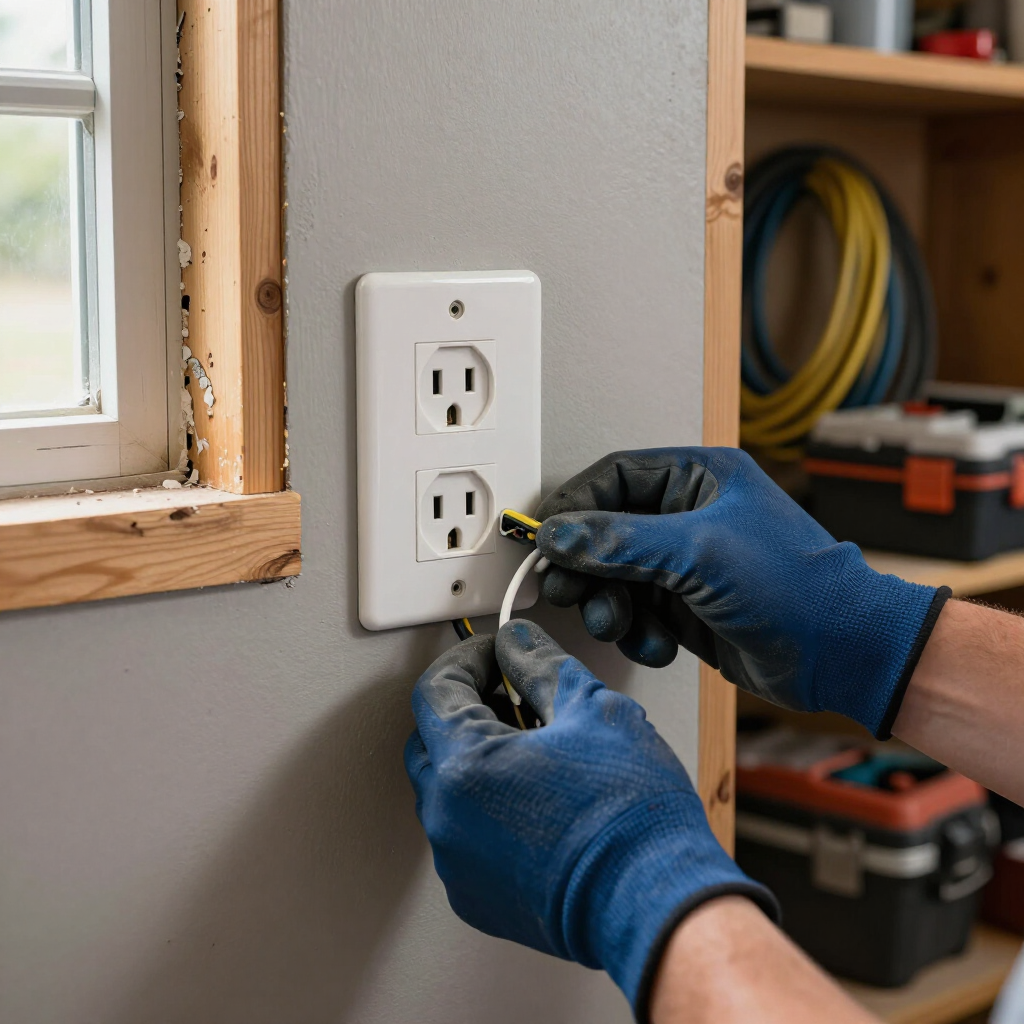
Learn which property, access and electrical conditions can change the scope of an electrical wiring project in Summerville, SC.
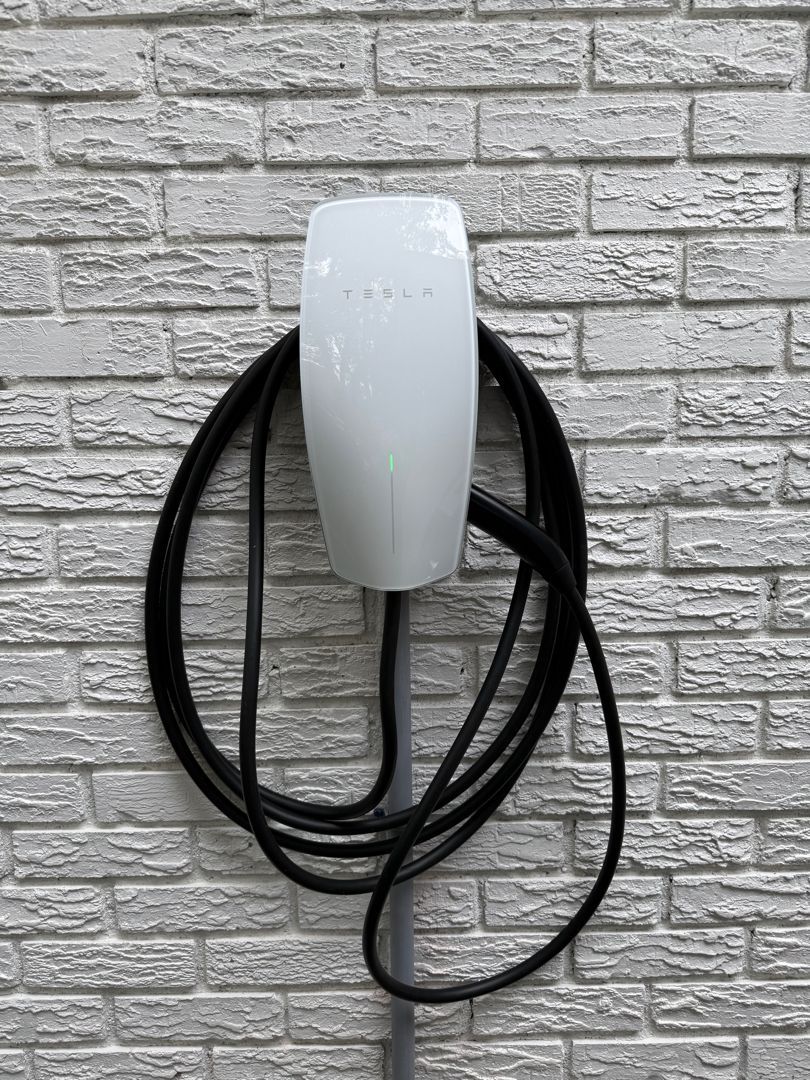
Follow the EV charger installation timeline in Mount Pleasant, SC, from the first electrical evaluation through wiring, activation and final review.
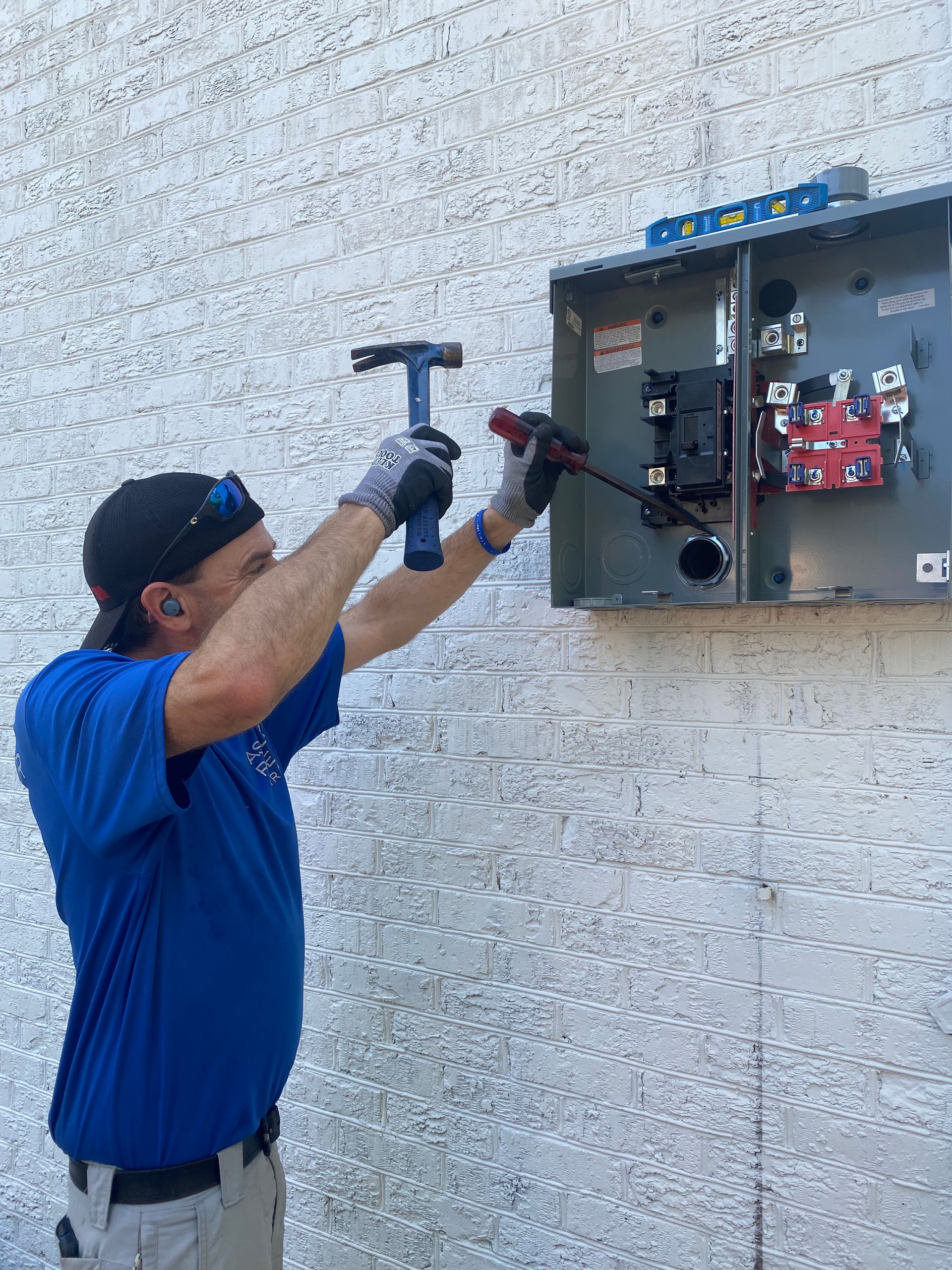
Learn which electrical, property and future-use factors shape the scope of a main panel installation in Charleston, SC.
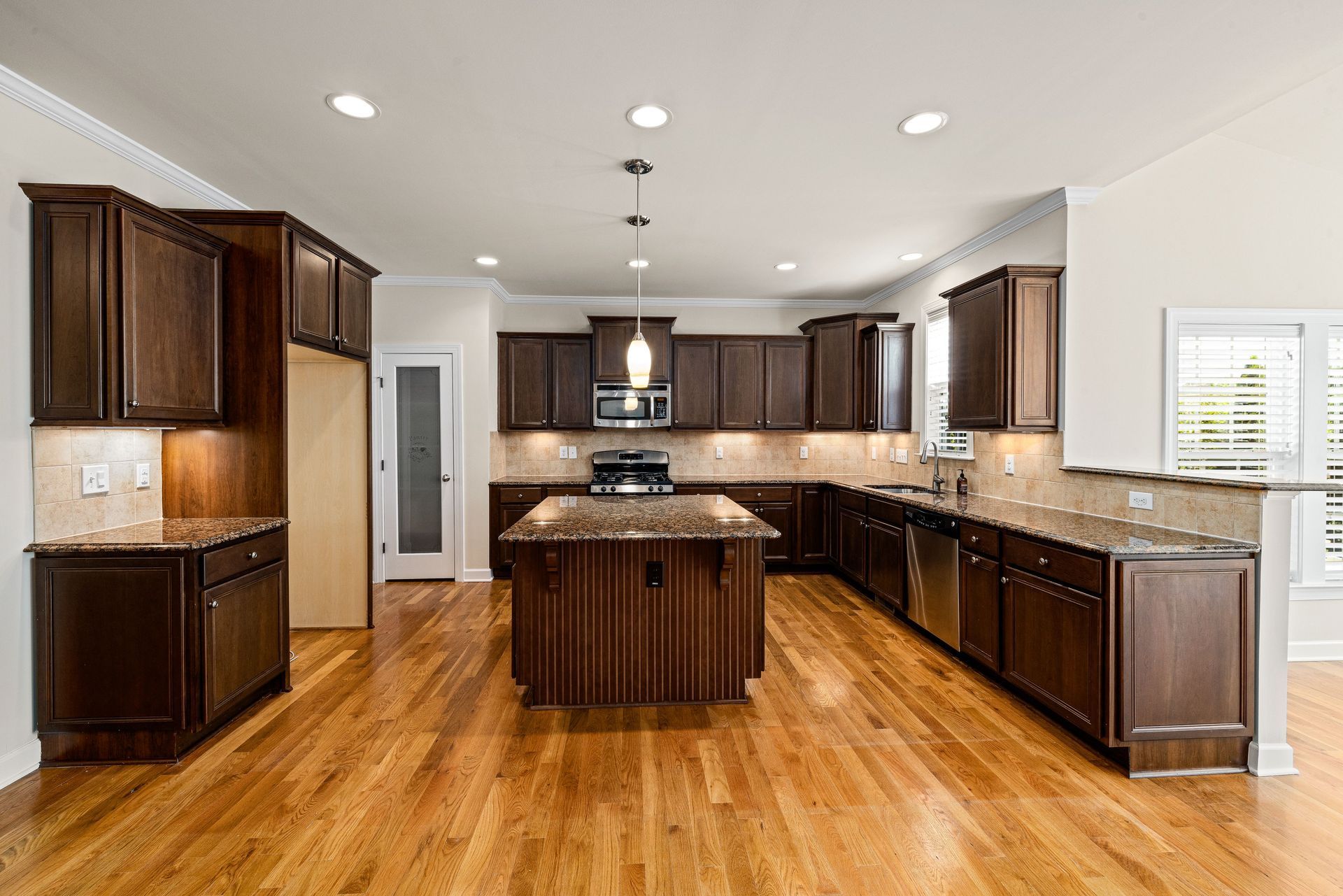
Plan recessed lighting installation for older Charleston and Mount Pleasant homes with layout, controls, wiring, and room function in mind.
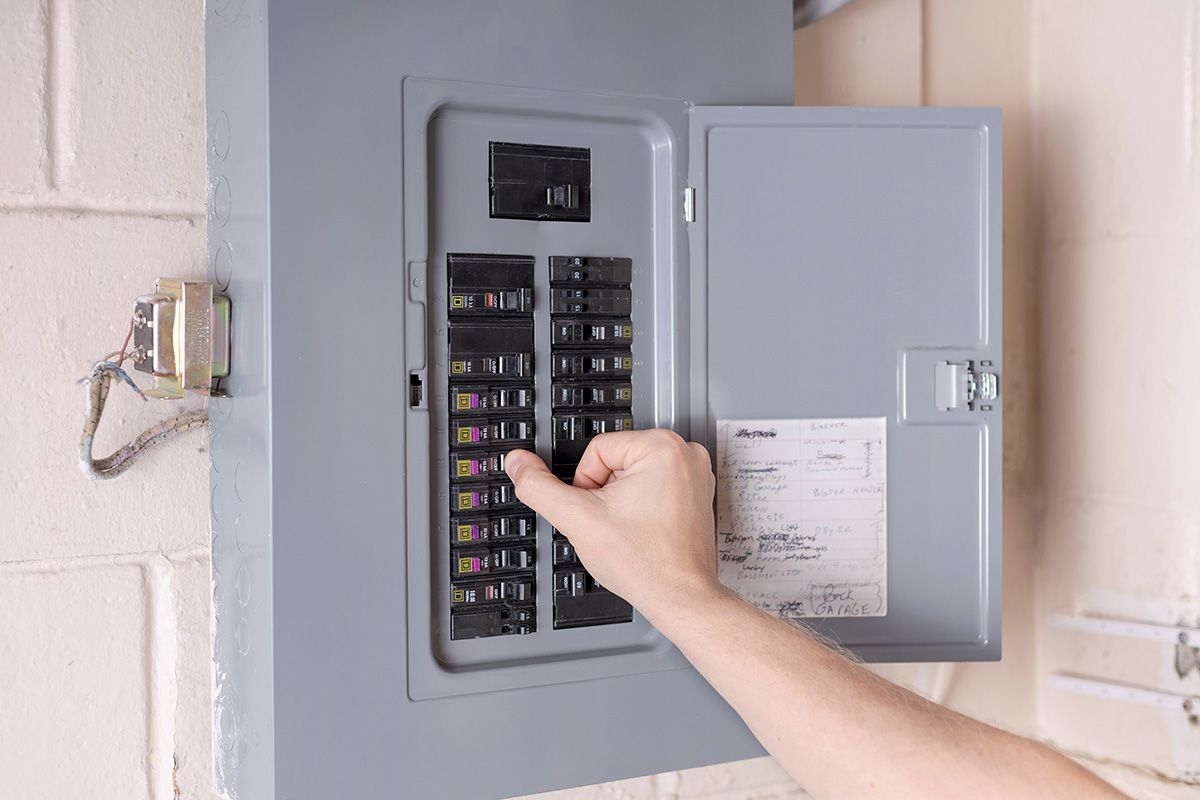
Breakers that keep tripping may point to overloaded circuits, panel issues, or wiring concerns. Learn when to call Ashley River Wired.
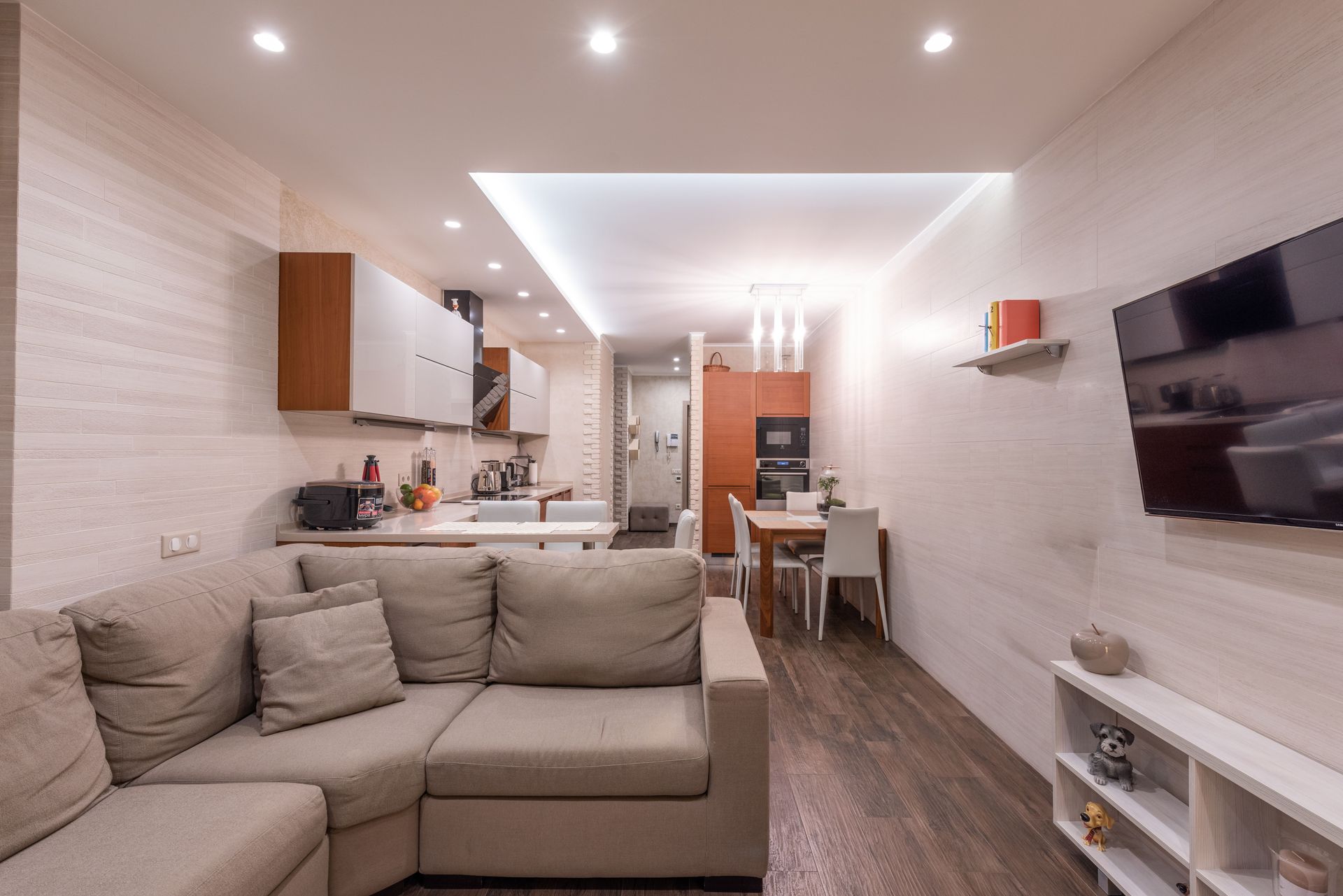
Explore lighting installation ideas for homework spaces, kitchens, and evening routines in Charleston homes with practical guidance from an electrician.
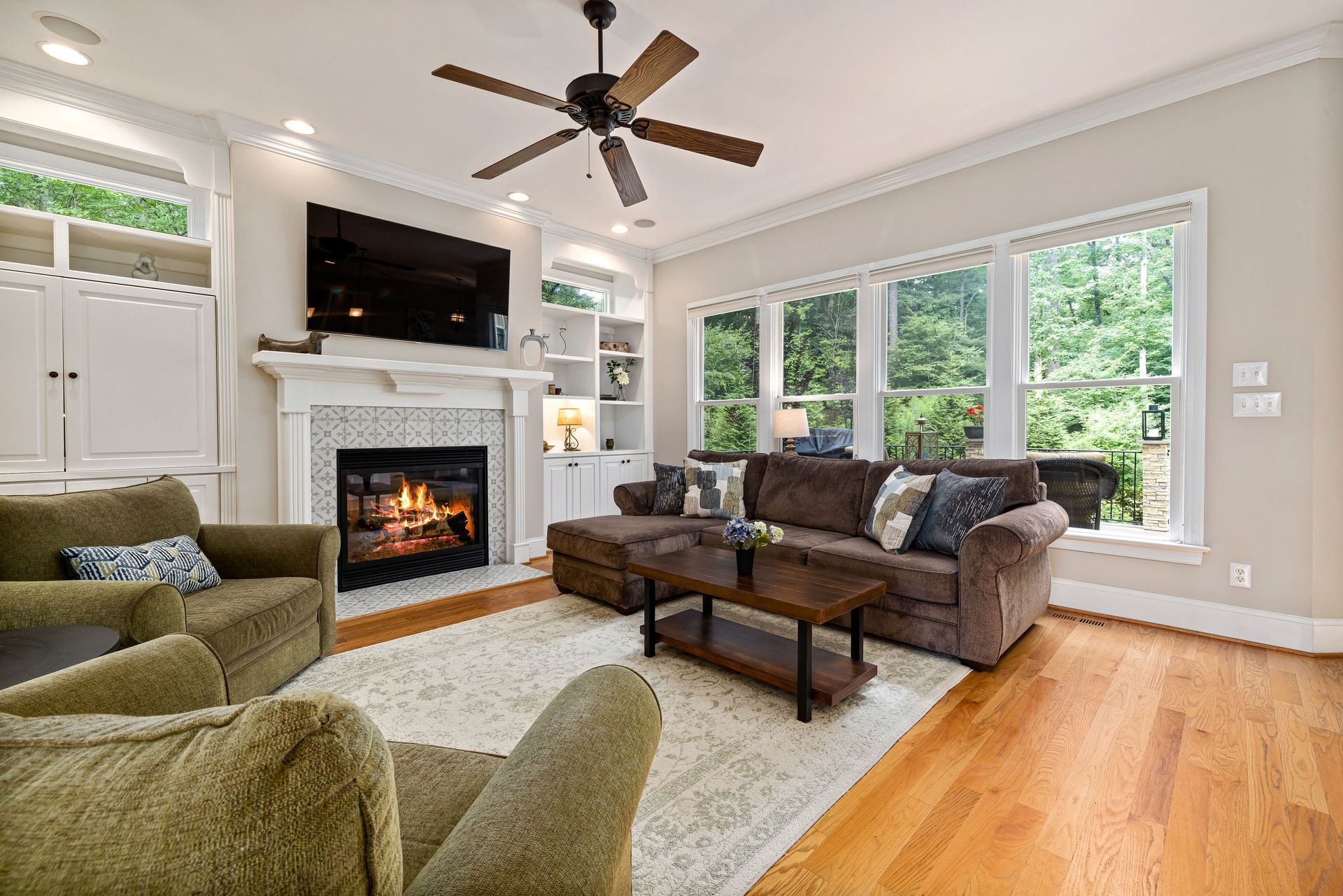
Planning ceiling fan installation for your Charleston or Mount Pleasant, SC home? Learn about placement, controls, and safe installation this summer.
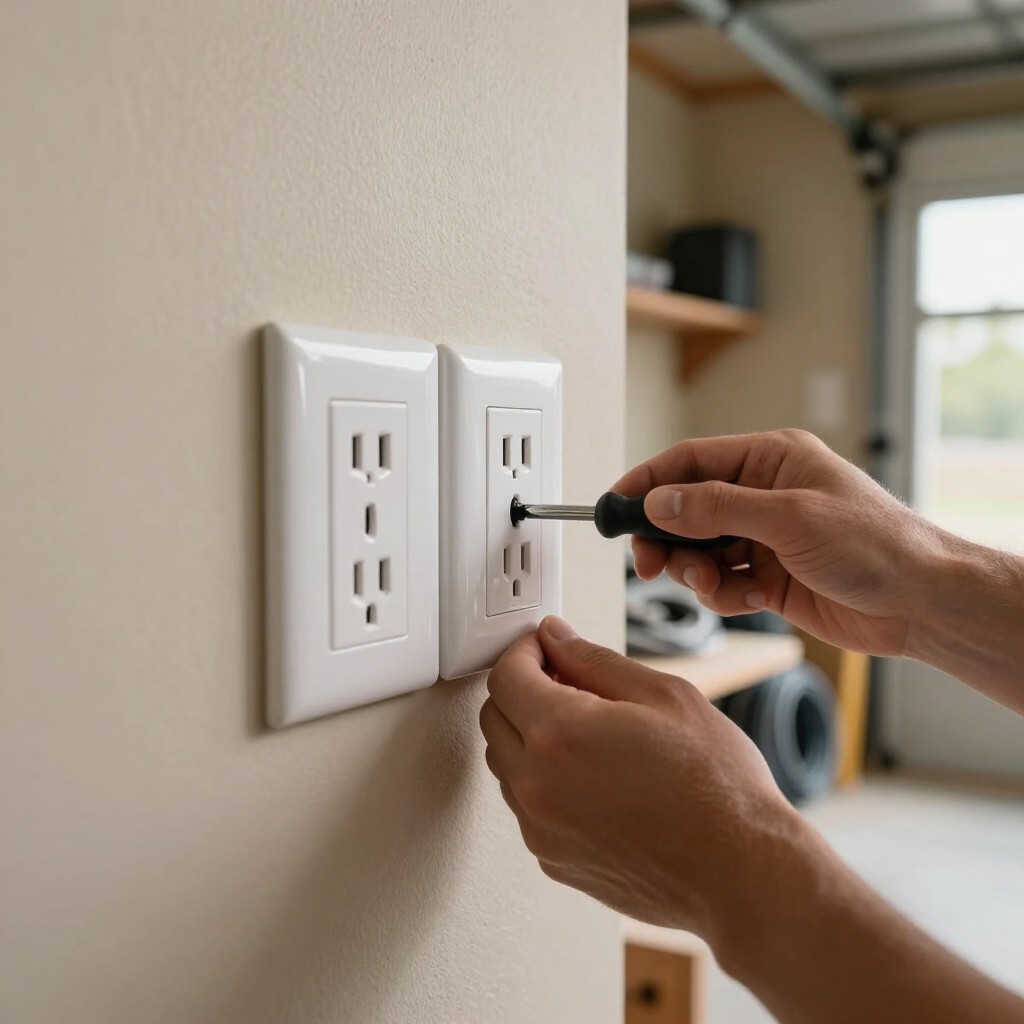
Electrical outlet installation Charleston SC homeowners plan for the garage should be treated as more than a convenience upgrade. The garage often supports tools, freezers, battery chargers, lighting, storage, outdoor equipment, and sometimes electric vehicle charging. When all of that power demand is placed on limited or outdated outlets, small problems can turn into tripped breakers, unreliable equipment, or safety concerns. Ashley River Wired helps Charleston homeowners plan garage electrical upgrades with safe outlet placement, dedicated circuit installation, GFCI protection, and wiring that fits how the space is actually used. If your garage still depends on one or two old outlets, it may be time to consider professional outlet installation. The Problem With Too Few Garage Outlets Many garages were not built for the way homeowners use them today. What may have worked years ago for a light and a small tool may not work well for a freezer, workbench, power tools, lawn equipment chargers, and seasonal storage needs. When there are not enough outlets, homeowners often rely on extension cords or power strips. That may feel like a quick fix, but it can create clutter, trip hazards, and overloaded connections. A garage should have outlets where power is actually needed, not just wherever one happened to be installed originally. A licensed electrician can review the garage layout and help place outlets near work areas, storage zones, freezers, and equipment locations. Good planning makes the garage easier to use while reducing the temptation to overload a single outlet. Why Dedicated Circuits Matter for Equipment Some garage equipment should not share power with everything else. A freezer, heavy tool, compressor, or EV-related equipment may need a dedicated circuit so it can operate without competing with other devices on the same line. Dedicated circuit installation helps reduce nuisance breaker trips and supports safer power for equipment that draws more electricity. This matters because a tripped breaker in the garage can affect more than convenience. If a freezer loses power, food may spoil. If tools trip the circuit repeatedly, the wiring or breaker may be under stress. Ashley River Wired can determine whether a dedicated circuit is needed based on the equipment, circuit load, electrical panel, and how the garage is used. Homeowners planning heavier garage use can connect the project to proper dedicated circuit support. GFCI Protection Is a Garage Safety Priority Garage outlets often need GFCI protection because garages can be exposed to moisture, outdoor equipment, damp floors, and utility use. GFCI outlets are designed to help reduce shock risk by shutting power off when an unsafe electrical imbalance is detected. This is especially important in Charleston, where humidity, rain, and coastal conditions can affect areas near garage doors, exterior walls, and outdoor-connected spaces. If a garage outlet trips often, will not reset, or feels unreliable, the issue may involve moisture exposure, wiring condition, device failure, or improper setup. Ashley River Wired can inspect existing garage outlets and recommend safer GFCI protection where needed. The goal is not only to restore power, but to make sure the outlet setup is appropriate for the environment. Garage Wiring Should Match How the Space Is Used A garage can function as storage, workshop, laundry area, home gym, freezer space, or charging area. Each use creates different electrical needs. That is why electrical wiring should be planned around the actual purpose of the garage. For example, a workbench may need outlets at a practical height. A freezer may need a reliable circuit that is not easily interrupted. Battery chargers may need outlets away from wet areas or walk paths. Better lighting may also be needed if the garage is used for projects or evening access. Ashley River Wired reviews outlet placement, wiring paths, circuit capacity, and panel space before recommending changes. If the garage needs corrected or expanded wiring, homeowners can explore safe electrical wiring support. EV Charging Changes the Conversation An electric vehicle charger is one of the biggest reasons homeowners start thinking differently about garage power. EV charging usually requires more planning than adding a standard outlet. The electrical panel, circuit size, charger type, wiring route, and garage location all need to be reviewed before installation. Even if you are not installing a charger today, it may be smart to plan ahead if you expect to add one later. A residential electrician can help determine whether the current panel and garage wiring can support future charging or whether upgrades should be considered first. Ashley River Wired helps homeowners prepare garages for modern charging needs. If an EV is part of your current or future plans, learn more about home charging support. A Better Garage Starts With Safer Power Planning The best garage electrical setup is the one that supports daily use without constant workarounds. Outlets should be placed where they make sense. Dedicated circuits should support equipment that needs reliable power. GFCI protection should help reduce risk in areas where moisture and utility use are common. Garage electrical upgrades can also prevent small frustrations from becoming larger problems. If breakers keep tripping, extension cords are being used every day, a freezer needs more dependable power, or you are planning future EV charging, the garage may need a professional review. Ashley River Wired helps Charleston homeowners plan safer, more useful garage electrical upgrades. To improve outlet access, add a dedicated circuit, prepare for EV charging, or correct unsafe wiring, contact Ashley River Wired to schedule service.

Explore recessed lighting ideas for older Charleston homes, including kitchens, bedrooms, hallways, layout planning, and safe electrical support.