

How to Choose the Right Ceiling Fan for Every Room in Your Home
May 22, 2026
Bringing consistency to your daily charging routine
Choosing the right fan is not only about style. A good ceiling fan should match the room size, ceiling height, airflow needs, moisture exposure, and electrical setup. In Charleston homes, where warm weather, humidity, porches, and older wiring are common, the right fan can improve comfort, help air circulate, and reduce unnecessary strain on your cooling system.
Ashley River Wired helps homeowners choose and
install fans safely
, especially when wiring, ceiling boxes, switches, or outdoor-rated fixtures need to be reviewed before installation.
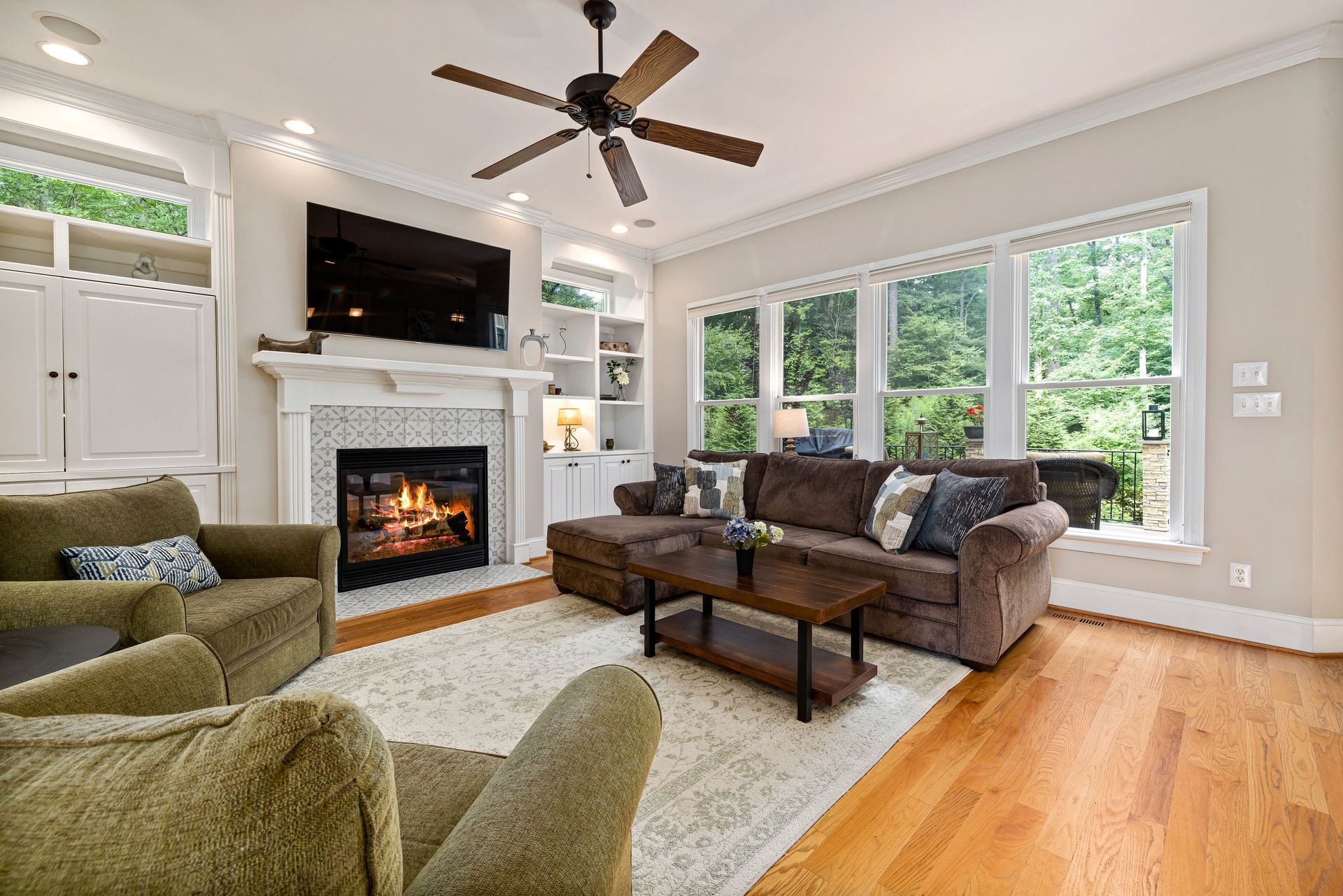
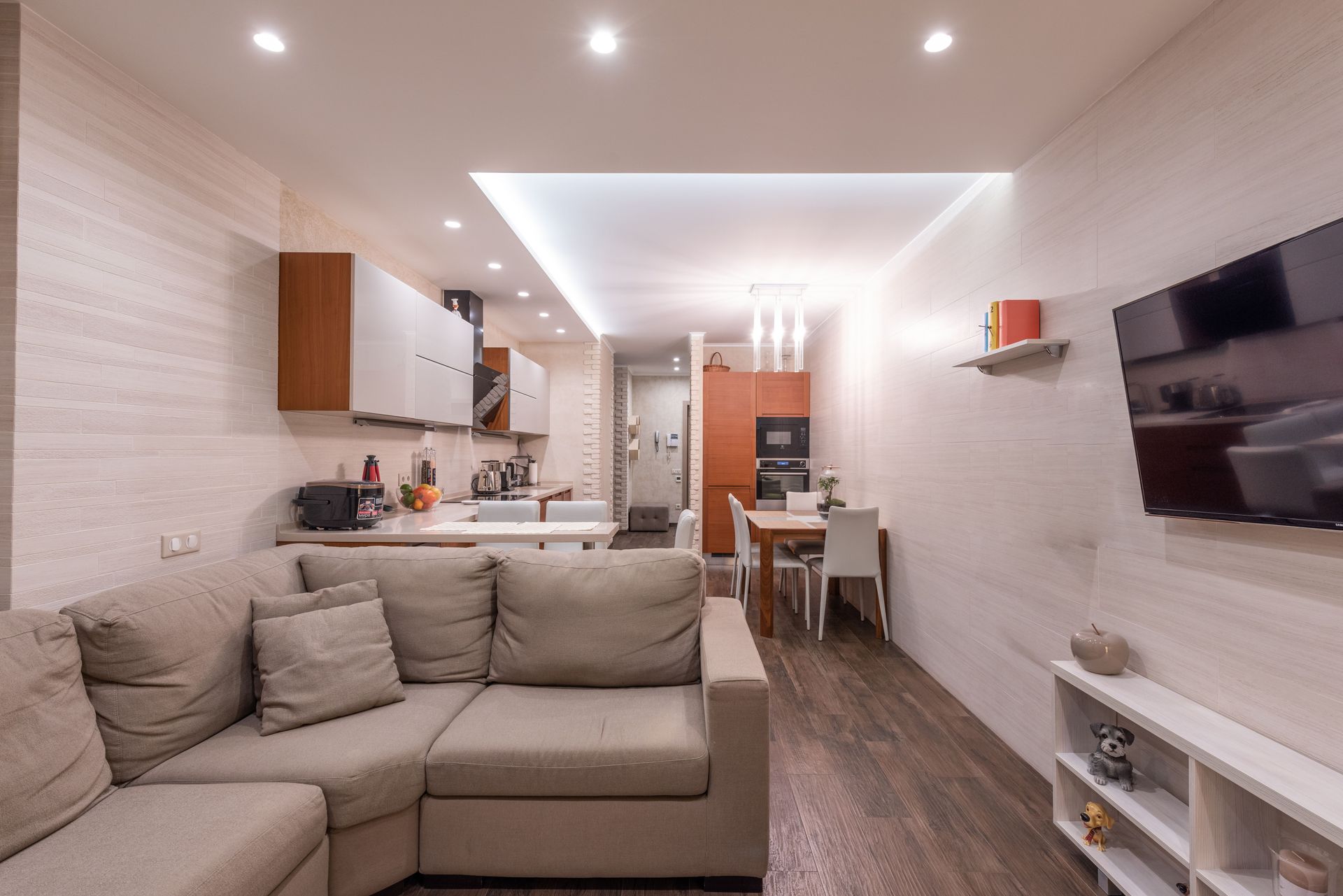
The living room usually needs a fan that can move air across a larger, more active space. Before choosing a design, think about the room’s square footage, ceiling height, furniture layout, and whether the fan will be the main light source.
A practical
ceiling fan
size guide starts with room width. Smaller rooms may only need a compact fan, while large living areas often need a wider blade span for better airflow. If the ceiling is high or vaulted, a downrod may be needed so the fan sits at the proper height.
For Charleston living rooms, airflow matters because homes often deal with warm afternoons, sun exposure, and open floor plans.
Ashley River Wired
can check whether the existing ceiling box is rated to support a fan, not just a light fixture. That detail is important because ceiling fans create movement and vibration.
Choosing a Fan for the Living Room
Choosing a Fan for the Bedroom
A bedroom fan should feel comfortable, quiet, and properly scaled. Oversized fans can feel too strong in a smaller room, while undersized fans may run constantly without moving enough air. Look for features such as:- Quiet motor performance for nighttime use
- Multiple speed settings for seasonal comfort
- A light kit if the room needs overhead lighting
- Remote or wall control options
- Balanced blades to reduce wobbling
Choosing a Fan for the Patio
Patios, porches, and covered outdoor spaces need a different type of fan than indoor rooms. This is where the indoor vs outdoor ceiling fan decision matters most.
Outdoor fans are built for moisture exposure, humidity, and temperature changes. In the Lowcountry, coastal air and damp conditions can wear down the wrong fixture faster than expected. A fan that works fine indoors may not be safe or durable in a covered porch or semi-exposed area.
Use this simple comparison:
For patios, Ashley River Wired can review the
outdoor wiring, ceiling support, switch location, and fixture rating
before installation. This helps protect both the fan and the electrical system.
Electrical Details to Check Before Installation
- Whether the ceiling box is rated for a fan
- If the wiring supports the fan and light kit
- Whether wall controls or remote controls are compatible
- If the circuit shows signs of overload
- Whether outdoor areas need damp or wet-rated protection
Matching Style, Comfort, and Energy Use